Lake Ouachita fishing guide
Lake Ouachita is a ouachita mountain reservoir in West Central Arkansas. Here is how it fishes through the year, where the fish live, and where to put in.
- Region
- West Central Arkansas
- Water
- Ouachita Mountain reservoir
- Clarity
- Clear
- Dam
- Blakely Mountain Dam
- Fish it from
- Boat, Bank
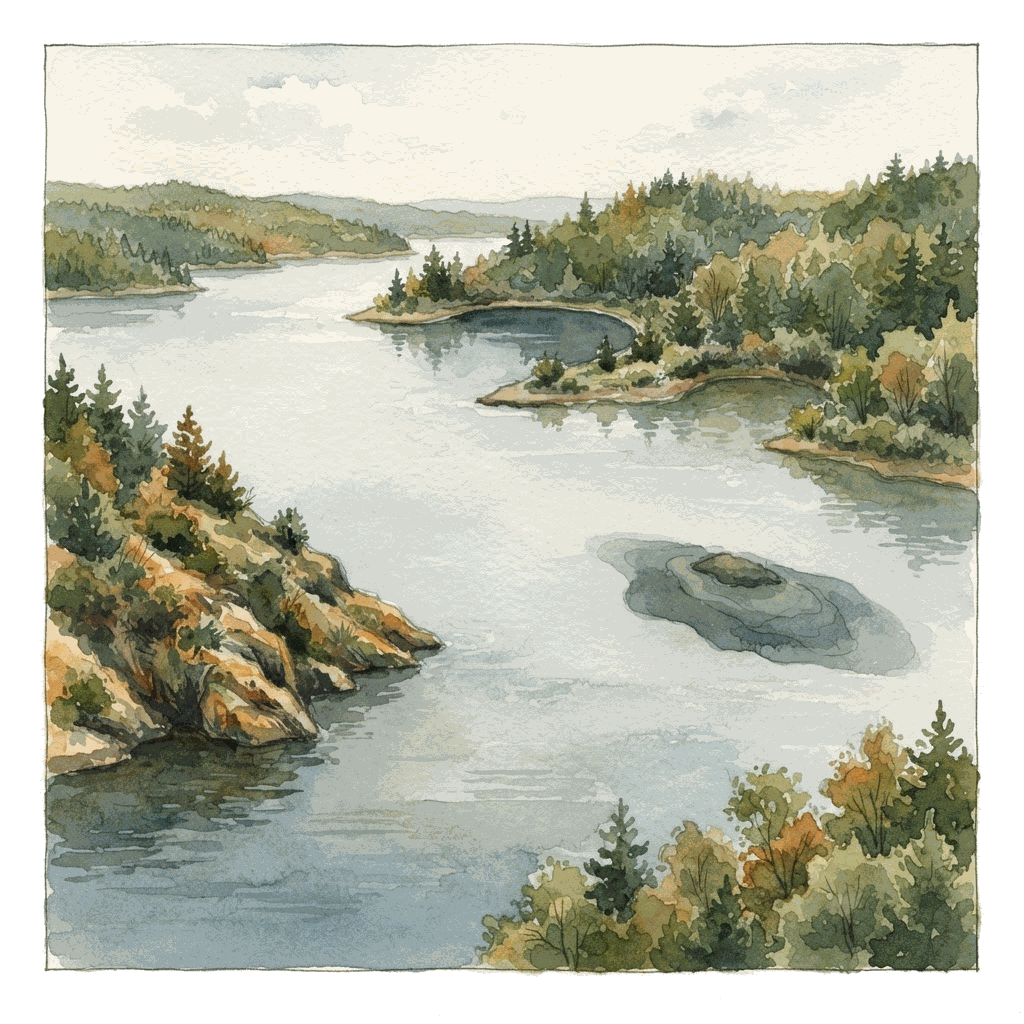
How Lake Ouachita fishes
About 40,000 acres of very clear water with more than 200 islands, held by Blakely Mountain Dam west of Hot Springs. Bass work island points, bluffs and standing timber in the creek arms; striped bass follow the shad schools in open water.
What swims in it
- Largemouth bass
- Smallmouth bass
- Spotted bass
- Striped bass
- Walleye
- Crappie
- Bream
- Catfish
Largemouth bass · backup: Striped bass
Ouachita's clear highland reservoir holds strong bass numbers; striped bass are the backup target when shad schools pull fish to open water.
Largemouth bass on Lake Ouachita through the year
The general pattern for each part of the year. Your trip report narrows this to your date, the weather that week and the water level.
Pre-spawn
Bass are feeding up before moving shallow to spawn, so bigger reaction baits can work.
Where to look: Secondary points, creek-channel swings, transition banks, and the first structure outside spawning pockets.
Mood: Often aggressive, especially before fronts.
Spawn / post-spawn mix
The bite can feel confusing because not all fish are doing the same thing at once.
Where to look: Protected pockets, gravel, dock shade, fry-guarding cover, and first breaks outside spawning areas.
Mood: Inconsistent: some fish guard shallow, some recover, and some chase shad.
Summer pattern
Bass split between two paths: deep structure near the thermocline, and shallow cover that still holds oxygen, shade, and forage. Healthy grass, pads, moss, shaded docks, laydowns, wind-blown edges, and current can keep fish shallow even in hot water. Dead or dying vegetation is a warning sign, not a positive.
Where to look: Deep path: main-lake points, brush, ledges, standing timber, and deep dock shade. Shallow oxygen/shade path: healthy grass edges and mats, pads, moss, shaded docks, laydowns, wind-blown cover, and current or inflows with nearby depth.
Mood: Short feeding windows with better bites early, late, or around bait — plus a shallow bite that stays on all day where cover holds oxygen and shade.
Fall transition
Bass follow bait, so the best area can change quickly from main lake to pockets and creek arms.
Where to look: Creek mouths, wind-blown pockets, bait balls, shallow flats near deep water, and transition banks.
Mood: Can be aggressive but scattered.
Winter pattern
Fish feed less often, but they group up around stable deep structure and warmer windows.
Where to look: Bluffs, deep timber, channel swings, vertical rock, and slow current breaks.
Mood: Low but predictable.
Where fish hold on Lake Ouachita
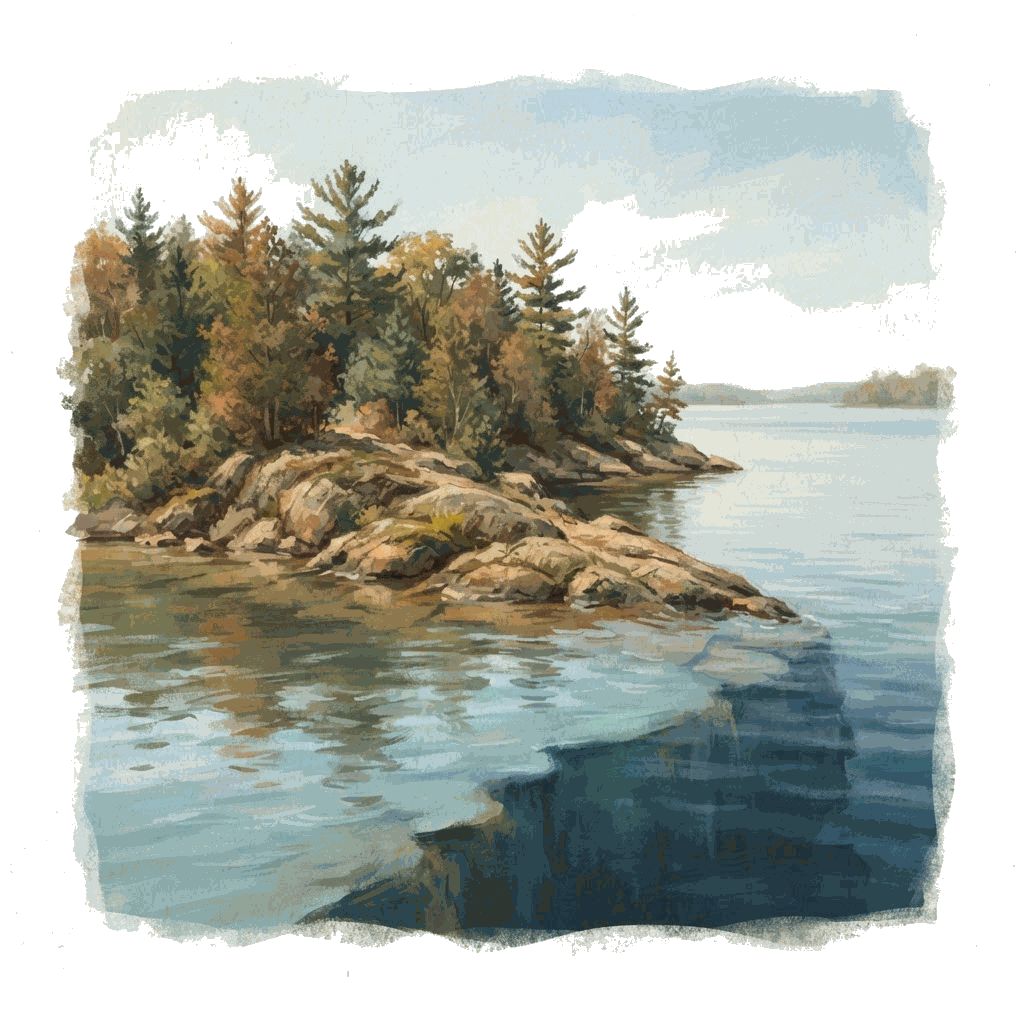
land narrowing to a wedge with open water on both sides
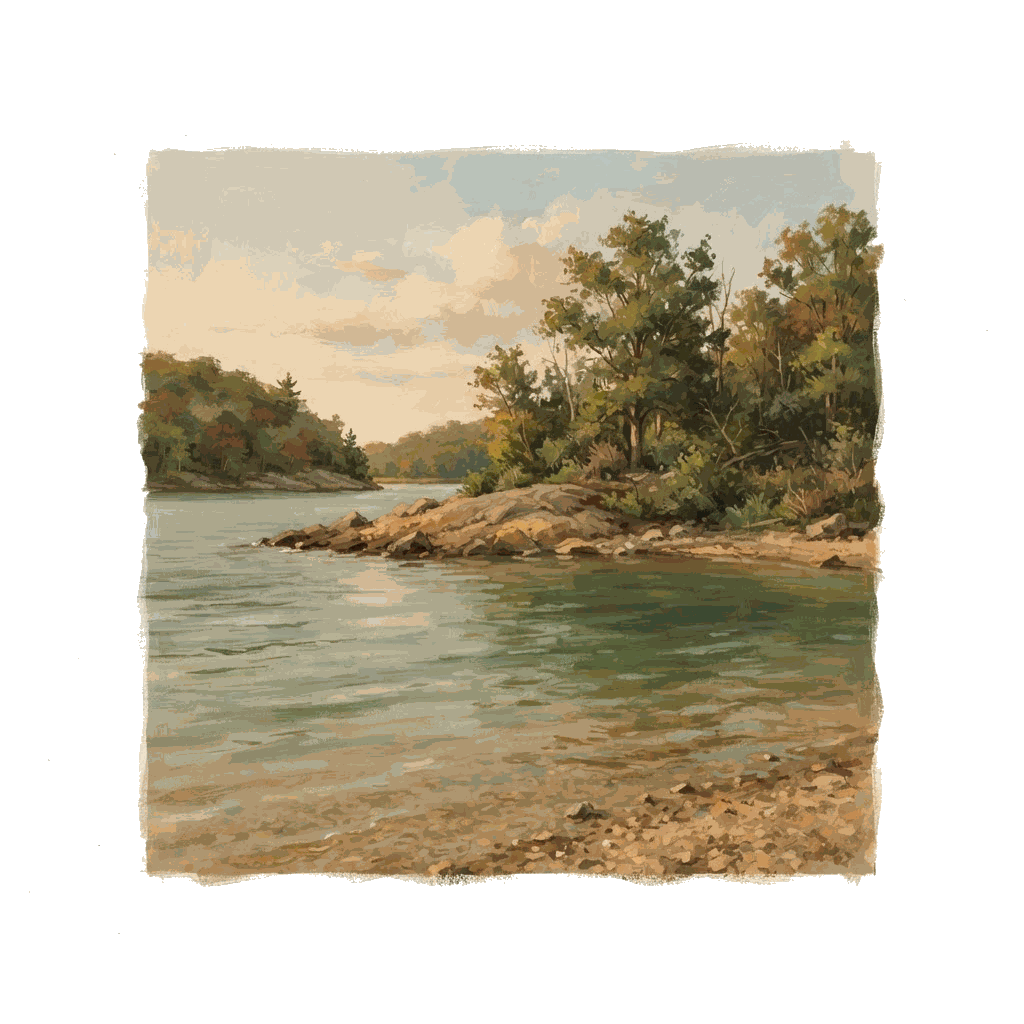
a smaller point projecting into a partly enclosed cove
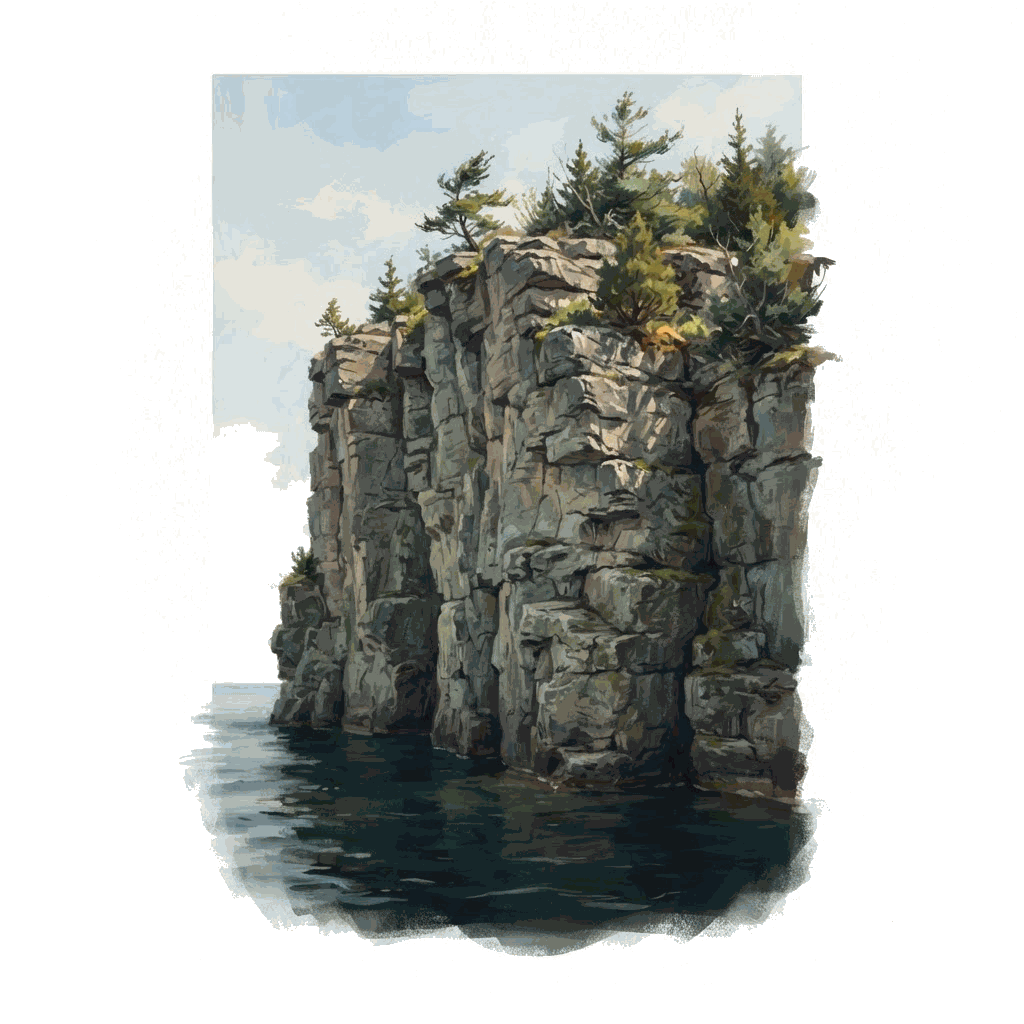
a sheer vertical rock face dropping straight into deep water
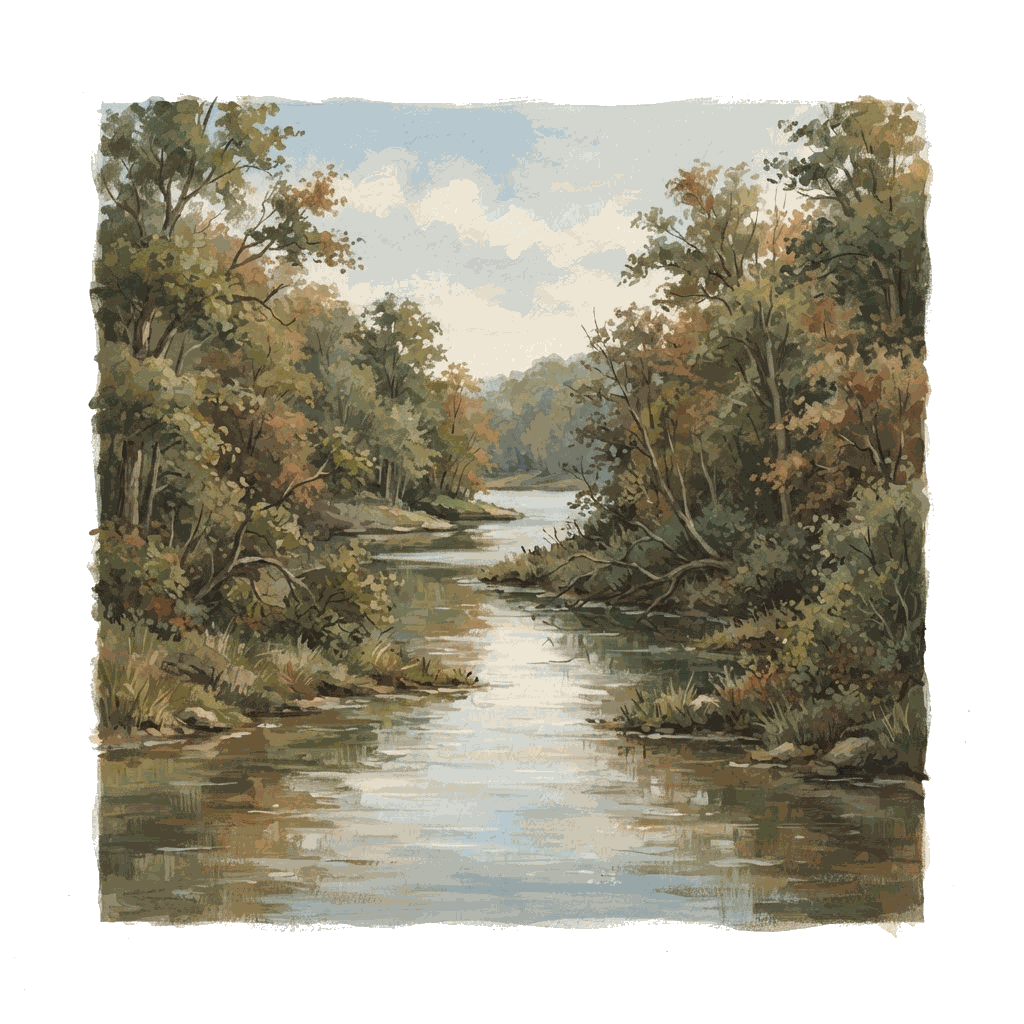
a narrow arm winding into a wooded cove, both banks closing in
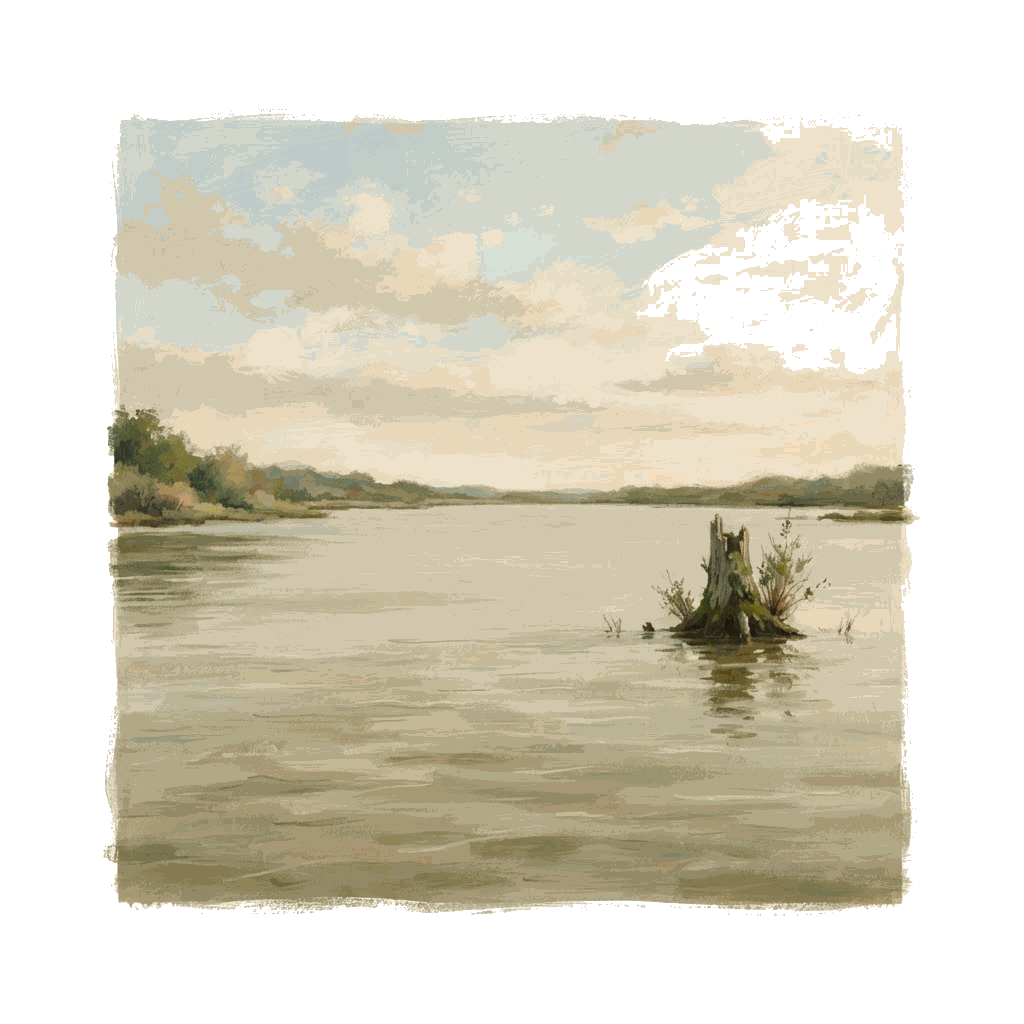
a broad, uniform shallow expanse running to a distant treeline
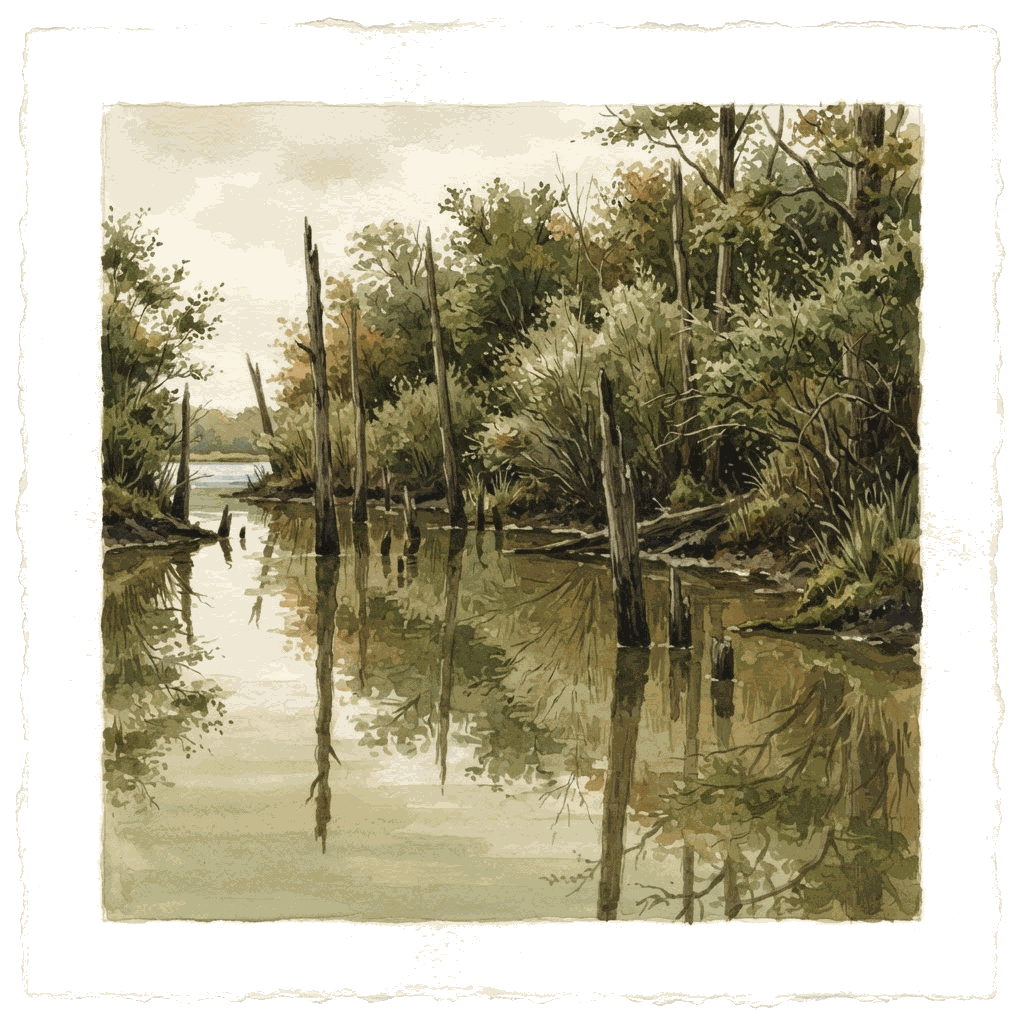
a still slack-water pocket off the main flow with log and lily edges
What the fish are eating
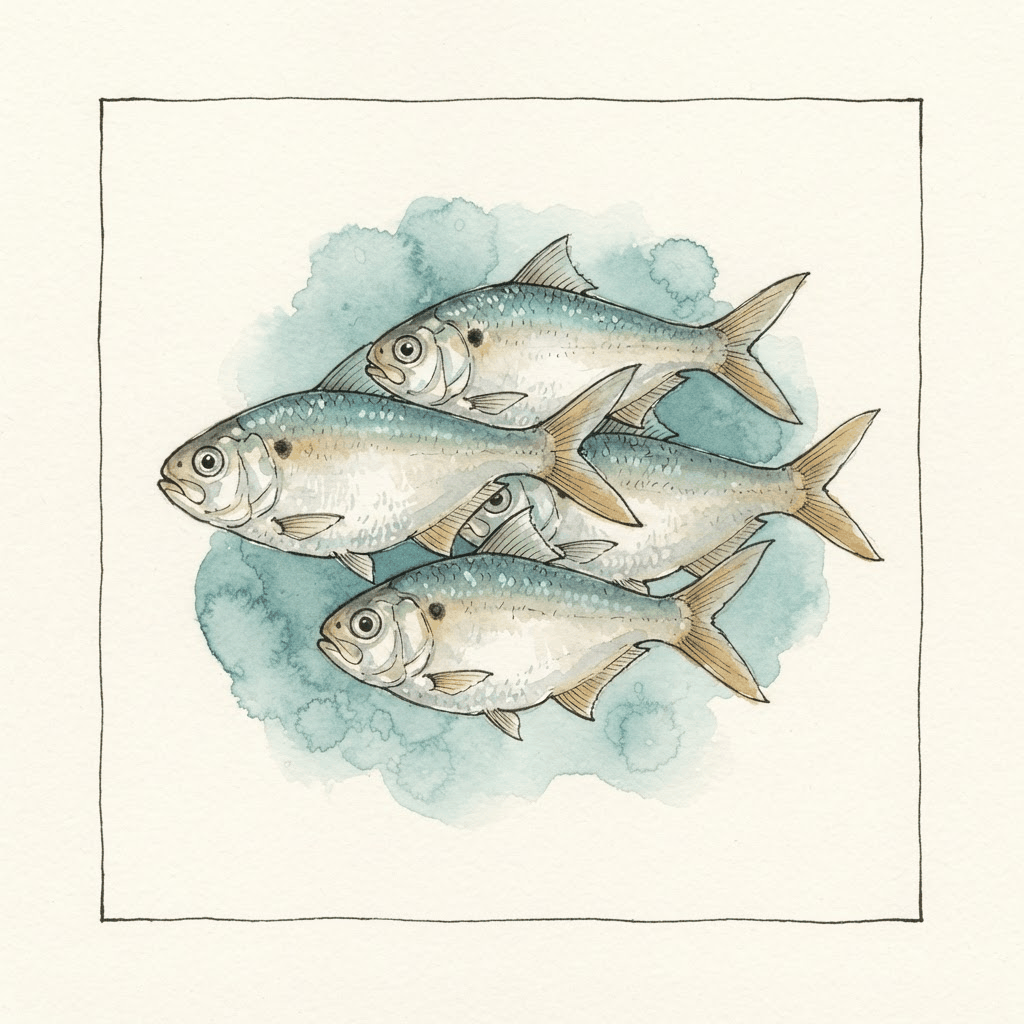
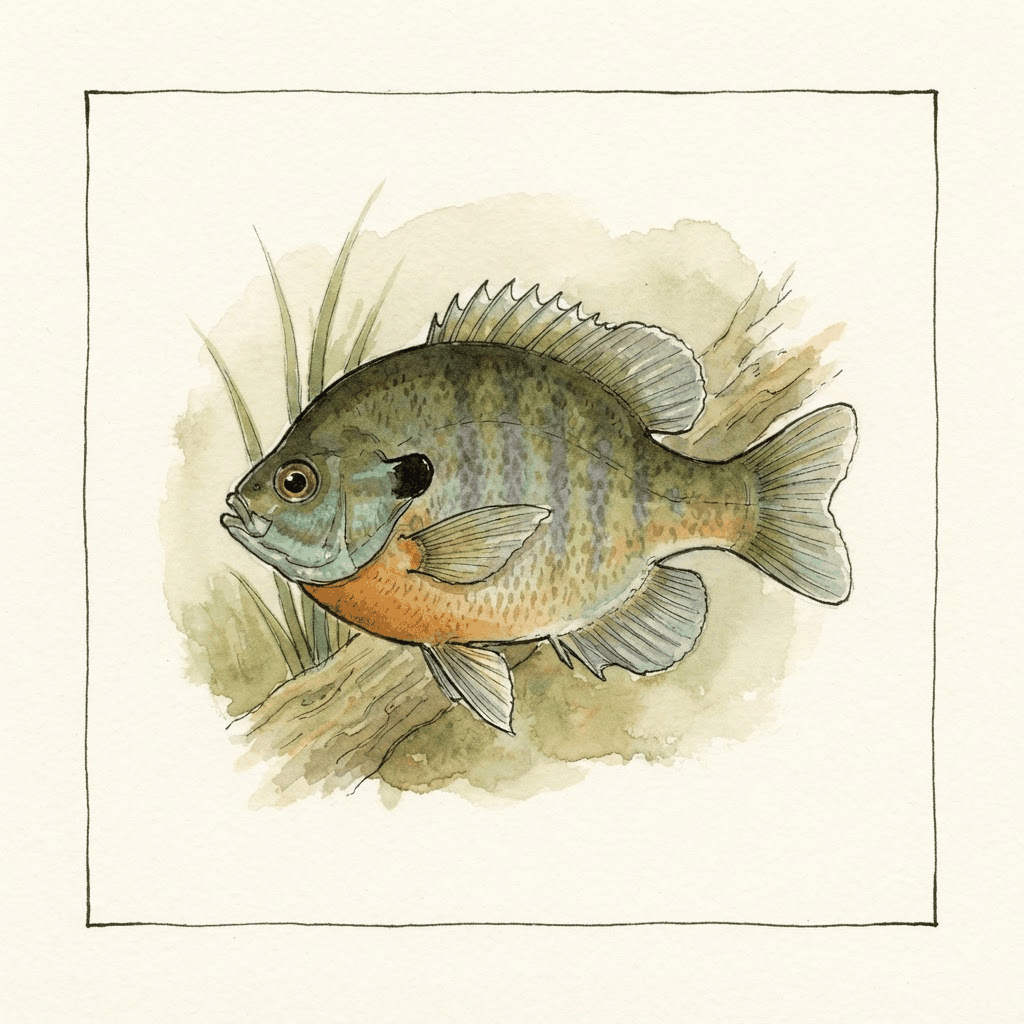
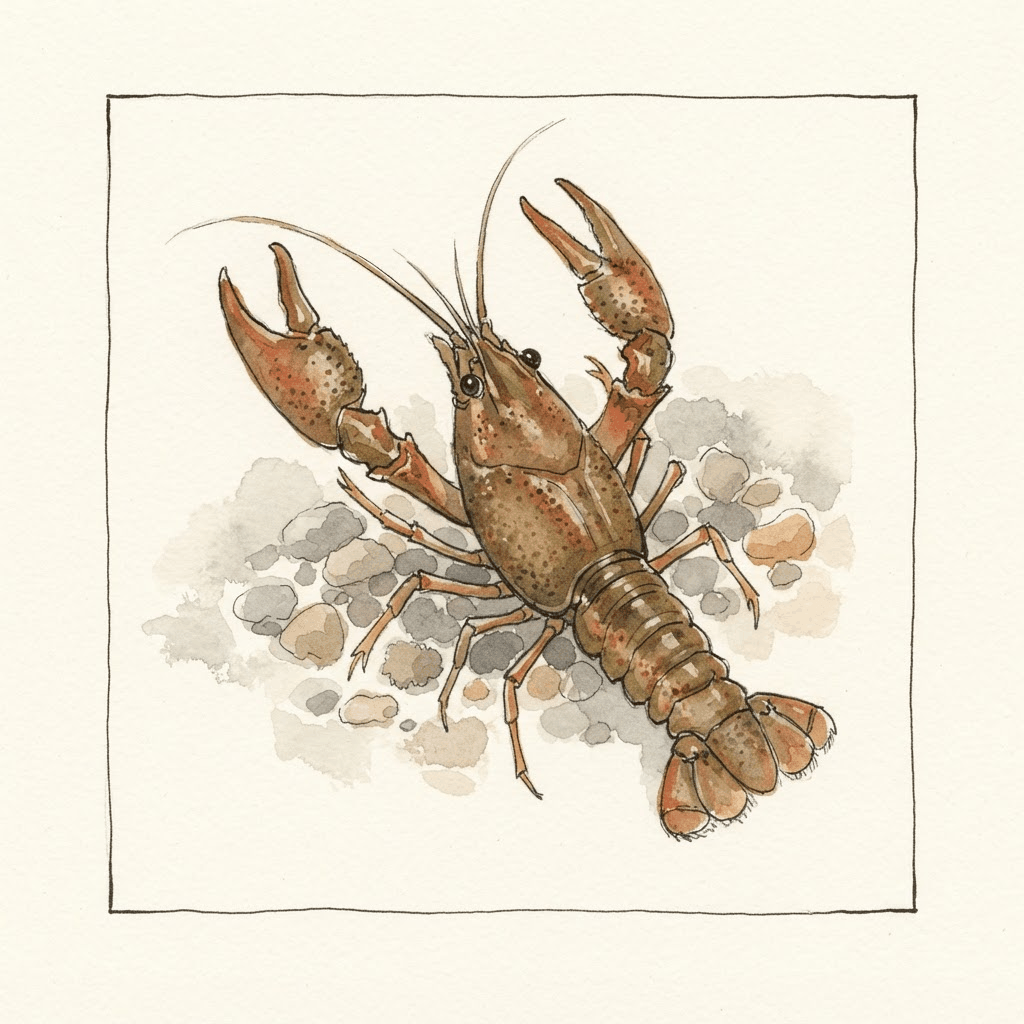
Threadfin & gizzard shad on points and timber. Bluegill on shallow cover. Crawfish on clean rock and bluffs.
Where to put in
- Stephens Park
At the base of Blakely Mountain Dam, via Mountain Pine.
- Brady Mountain
Off Highway 270 west of Hot Springs; mid-lake islands and points nearby.
- Crystal Springs
Off Highway 270, about 17 miles west of Hot Springs.
- Twin Creek
Western lake off Highway 270; has a fishing pier for bank anglers.
Verify ramp status and access before you go.
This page is the season. Your report is the day.
Tell us your date, species and how you fish Lake Ouachita. The report reads the conditions for you and adds:
- ✓The best windows to fish on your trip date, from the forecast for that day
- ✓Baits ranked for your species, the water clarity and the weather that week
- ✓Named spots to start on, with what to throw at each one
- ✓Water level, flow and wind checks pulled together in one place
- ✓A printable field card for the boat
Look inside a sample Beaver Lake report
Get Arkansas fishing notes by email
The Stringer Field Journal: what Lake Ouachita and the other Arkansas waters are doing as the seasons turn, plus new lake guides. A short email, a few times a month.
Other lake and river guides
Largemouth bass · Smallmouth bass · Spotted bass · Walleye
Read the guideLargemouth bass · Smallmouth bass · Spotted bass · White bass
Read the guideLargemouth bass · Smallmouth bass · Spotted bass · Striped bass
Read the guideLargemouth bass · Spotted bass · Hybrid striped bass · White bass
Read the guideLargemouth bass · Spotted bass · White bass · Crappie
Read the guideLargemouth bass · Spotted bass · Crappie · Channel catfish
Read the guideLargemouth bass · Crappie · White bass · Channel catfish
Read the guideSmallmouth bass (14 in min, 2/day) · Goggle-eye / Ozark bass (Ambloplites constellatus — endemic to the White River drainage) · Largemouth bass (lower river) · Spotted bass (downstream of Pruitt)
Read the guideRainbow trout · Brown trout · Smallmouth bass · Walleye
Read the guideRainbow trout · Brown trout · Cutthroat trout · Walleye (Feb–Mar spawning run from Table Rock)
Read the guideRainbow trout · Brown trout · Cutthroat trout · Brook trout
Read the guideLargemouth bass · Crappie · White bass · Bream
Read the guideLargemouth bass · Smallmouth bass · Spotted bass · Striped bass
Read the guideRainbow trout · Brown trout · Cutthroat trout
Read the guideLargemouth bass · Spotted bass · Striped bass · Hybrid striped bass
Read the guideLargemouth bass · Crappie · Bluegill · Redear sunfish (shellcracker)
Read the guideRainbow trout · Brown trout · Cutthroat trout · Brook trout
Read the guideFlorida-strain largemouth bass (trophy potential) · Northern largemouth bass · Spotted bass · Crappie
Read the guide